
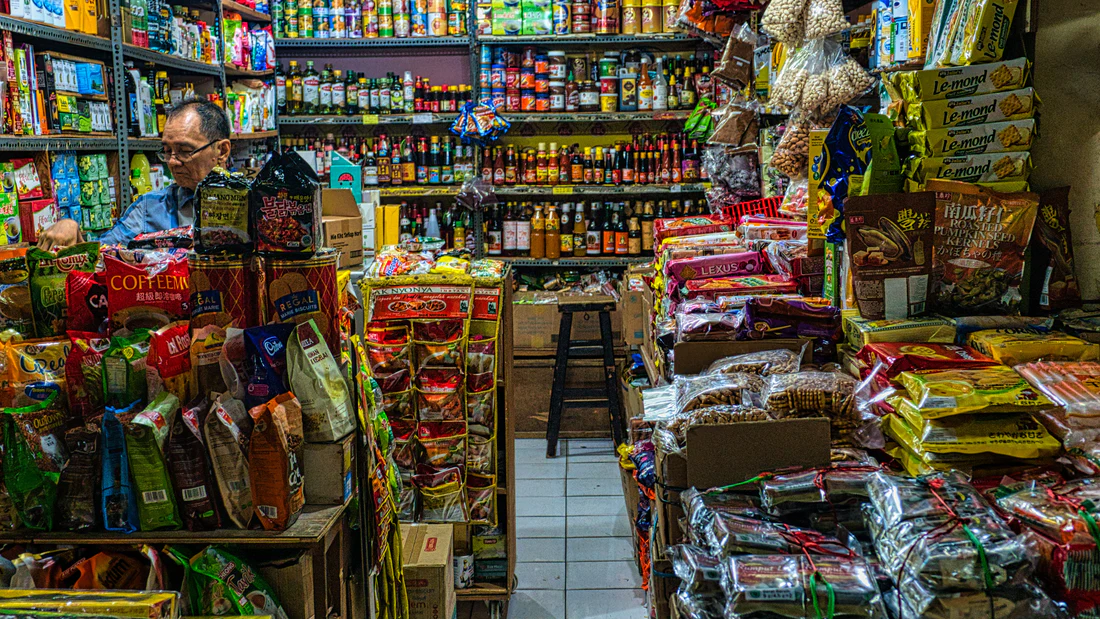
Inventory management is the process of tracking your stock — what you have, what you've sold, and what you need to reorder. For both restaurants and retail businesses, good inventory management helps prevent stock shortages, reduce waste, and keep operations running smoothly.
Without a proper system, businesses often face:
- overstocking (tying up cash unnecessarily)
- running out of key items
- inaccurate stock counts
- manual tracking errors
Why inventory management matters
Inventory is directly tied to your cash flow and profitability.
1. Prevent stock shortages
Running out of key items can lead to lost sales and unhappy customers. For example, a cafe running out of milk during peak hours, or a retail store missing popular sizes or products.
2. Reduce waste and losses
In F&B, poor tracking can lead to expired ingredients. In retail, it can lead to unsold or misplaced stock. Good inventory management helps you track usage patterns, minimise spoilage, and avoid over-ordering.
3. Improve cost control
Knowing exactly what you have in stock allows you to plan purchases better, reduce unnecessary spending, and improve margins.
How inventory management works in practice
At a basic level, inventory management involves tracking stock levels, recording sales or usage, updating quantities, and reordering when needed. Traditionally, businesses did this manually using spreadsheets or notebooks. Today, most businesses use POS systems to automate this process.
Best practices for managing inventory
1. Track inventory in real time
Your inventory should update automatically whenever a sale is made. This ensures accurate stock levels, fewer manual adjustments, and better visibility across your business.
2. Set low-stock alerts
Instead of manually checking stock, set thresholds for key items. When stock falls below a certain level, you'll know it's time to reorder — before you run out.
3. Organise your products properly
For retail, group by category and track sizes, colours, and variants. For F&B, track ingredients and link items to menu usage so stock deducts automatically when orders are placed.
4. Review reports regularly
Inventory data is only useful if you review it. Look at fast-moving items, slow-moving items, and items frequently out of stock. This helps you make better purchasing decisions over time.
5. Standardise processes
Make sure your team records stock consistently, follows the same procedures, and updates inventory correctly. Consistency reduces errors significantly.
Common mistakes to avoid
Even with a system, businesses often make these mistakes:
- relying on manual tracking too long
- not updating inventory regularly
- ignoring inventory reports
- over-ordering "just in case"
Avoiding these can already improve your operations significantly.
How POS systems simplify inventory management
A POS system automates most of the work. Instead of updating stock manually, the system deducts inventory with every sale, tracks stock across locations, generates inventory reports, and highlights low-stock items. This reduces human error and saves time.
Shiok POS Growth Plan includes real-time inventory tracking, stock management, and reporting tools — starting from RM119/month.
How Shiok POS fits in
Shiok POS is designed to support both retail and F&B inventory management. It helps businesses track inventory in real time, manage products and ingredients, monitor stock across outlets, and generate reports for better decision-making. This allows business owners to stay in control without relying on manual processes.
FAQs
Do small businesses need inventory management systems?
Yes. Even small businesses benefit from tracking stock properly to avoid losses and improve efficiency.
Can a POS system handle both retail and F&B inventory?
Yes. Some POS systems are designed to support both product-based and ingredient-based inventory.
How often should inventory be checked?
Ideally, inventory should be updated in real time and reviewed regularly — daily or weekly depending on the business.
Want better control over your stock?
Shiok POS gives you real-time inventory tracking for retail and F&B businesses across Malaysia.
Get a Demo